
All blogs
Every full length (longer than 60 seconds) video and accompanying blog post
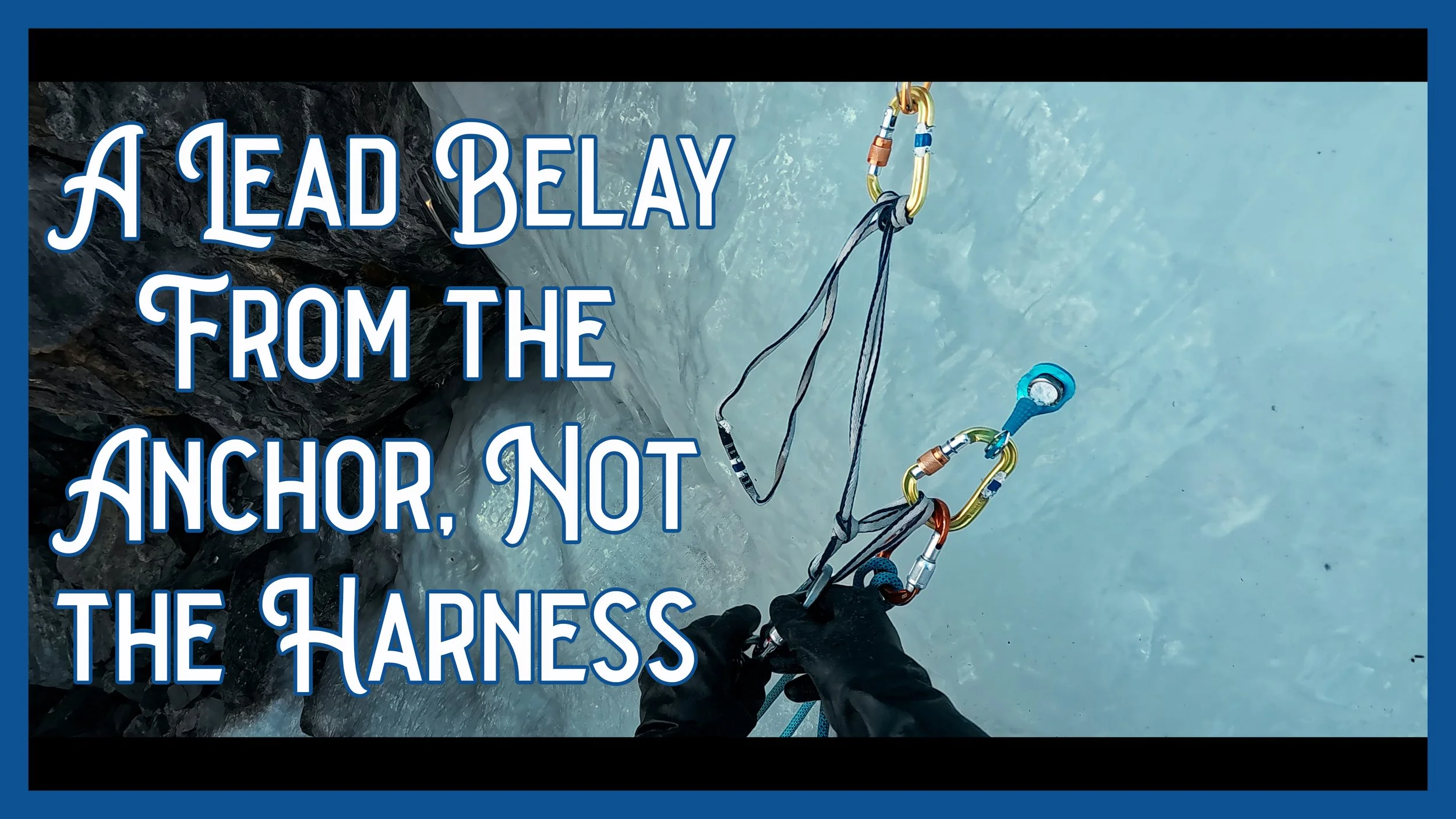
This One Belay Technique Helps Prevent Ice Climbing Accidents
In several videos, I have referred to my family using a fixed point lead belay in several occasions, but I have never really gotten into the topic. Well, here's a starting point, choosing an ice climb because there is good reason to lead belay from the anchor even when climbers don't have the weight differences that my young boys and I have. Here's a case study and our rationale about anchor choices and belay methods.
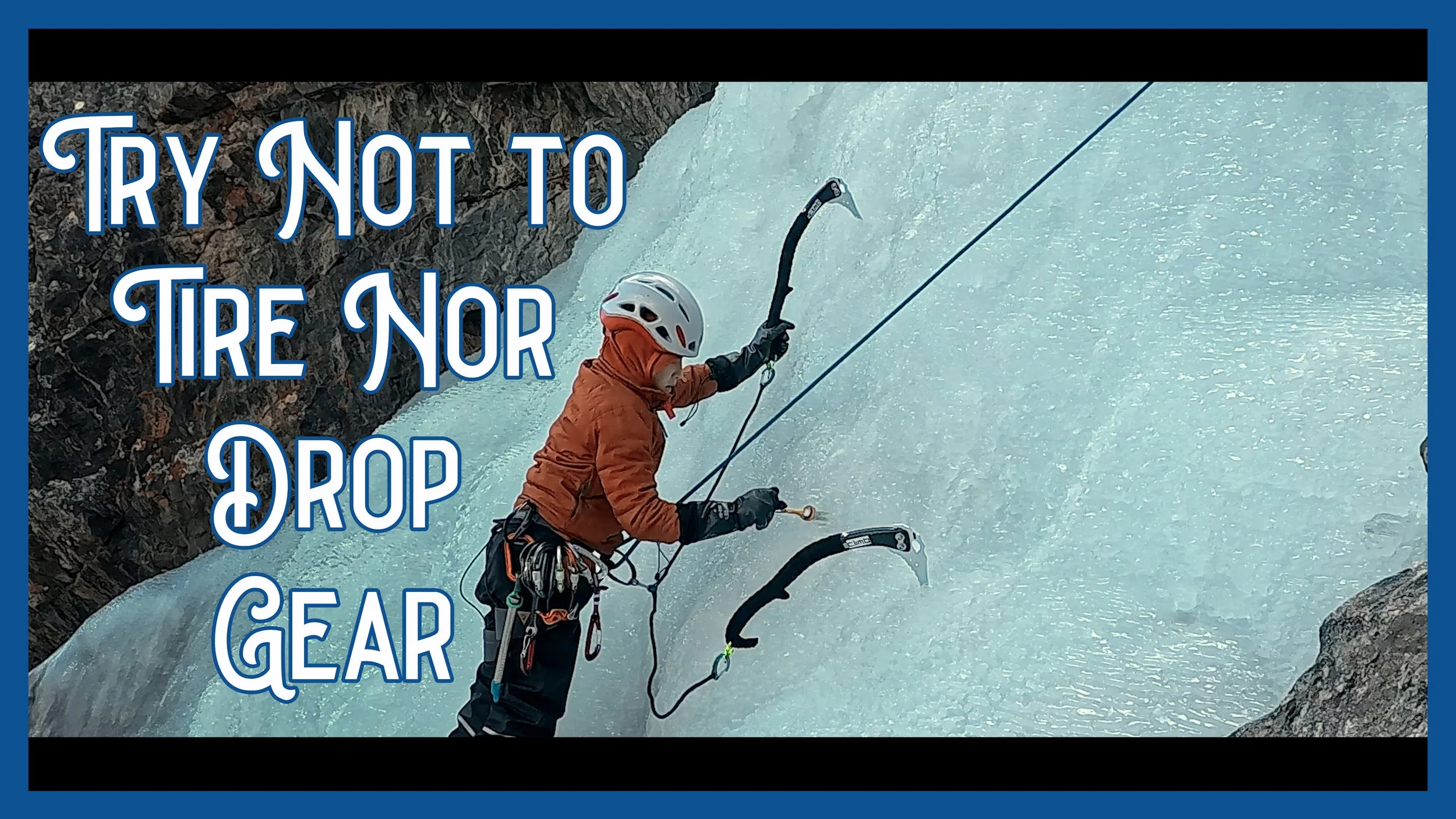
Ice Screw Removal Done Right | Ice Climbing
New multi-pitch ice climbers, like new multi-pitch rock climbers, often follow many pitches before they ever lead. Those who are brand new to following an ice climb might find the nuances of cleaning ice gear to be time consuming or energy sapping. Here's a video on why it might feel that way and how we can be our most efficient to reduce those negative impacts.
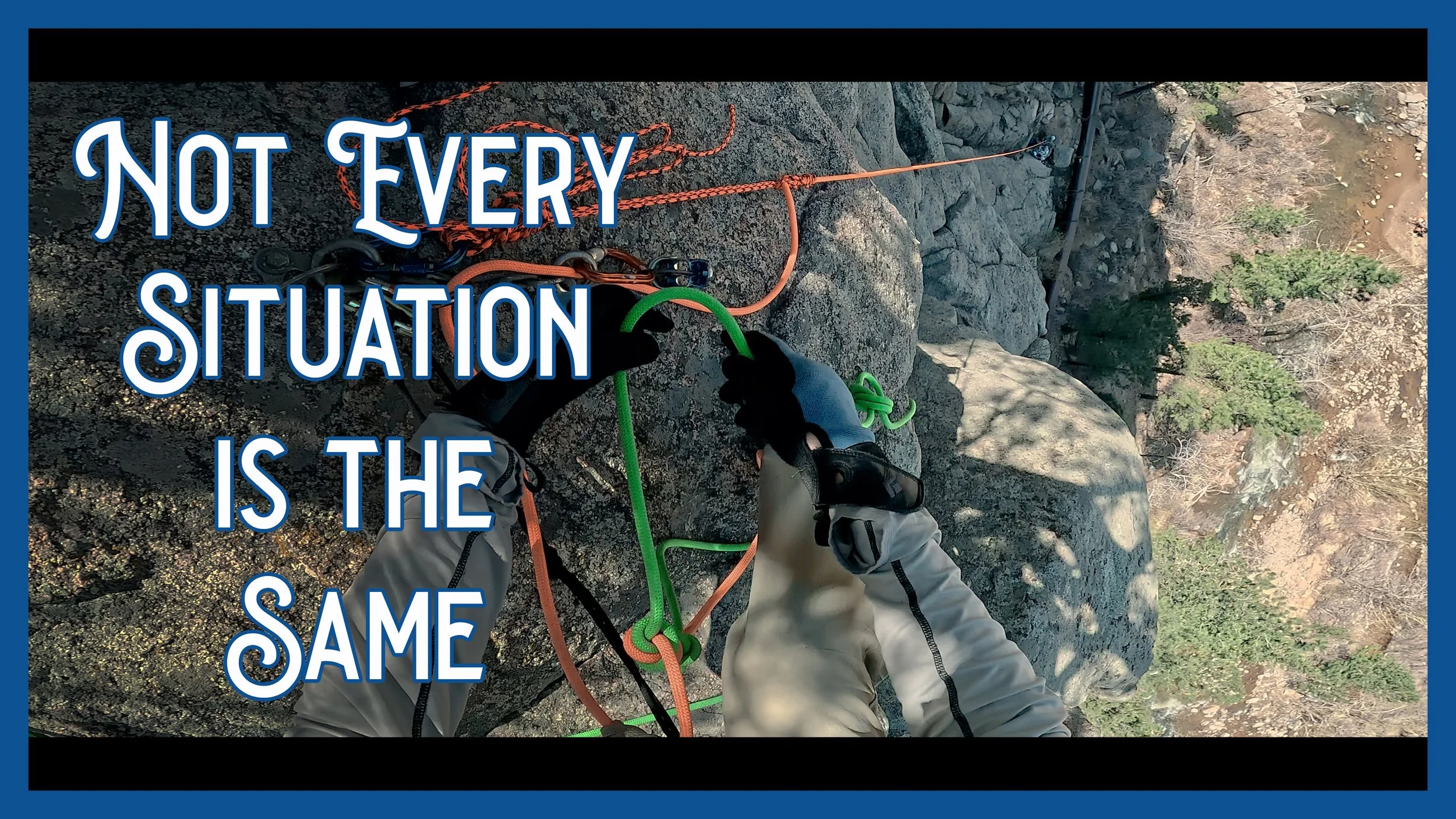
What Happens When You Use the Wrong Rope Joining Knot?
When and why might we want to choose a knot other than a flat overhand bend for joining two ropes in a climbing context? This video explores alternative knots for joining climbing ropes. We demonstrate various climbing scenarios and knot-tying techniques, providing a practical how to guide for recognizing situations when a standard flat overhand may not meet your needs along with alternatives you may want to employ, improving your climbing safety.
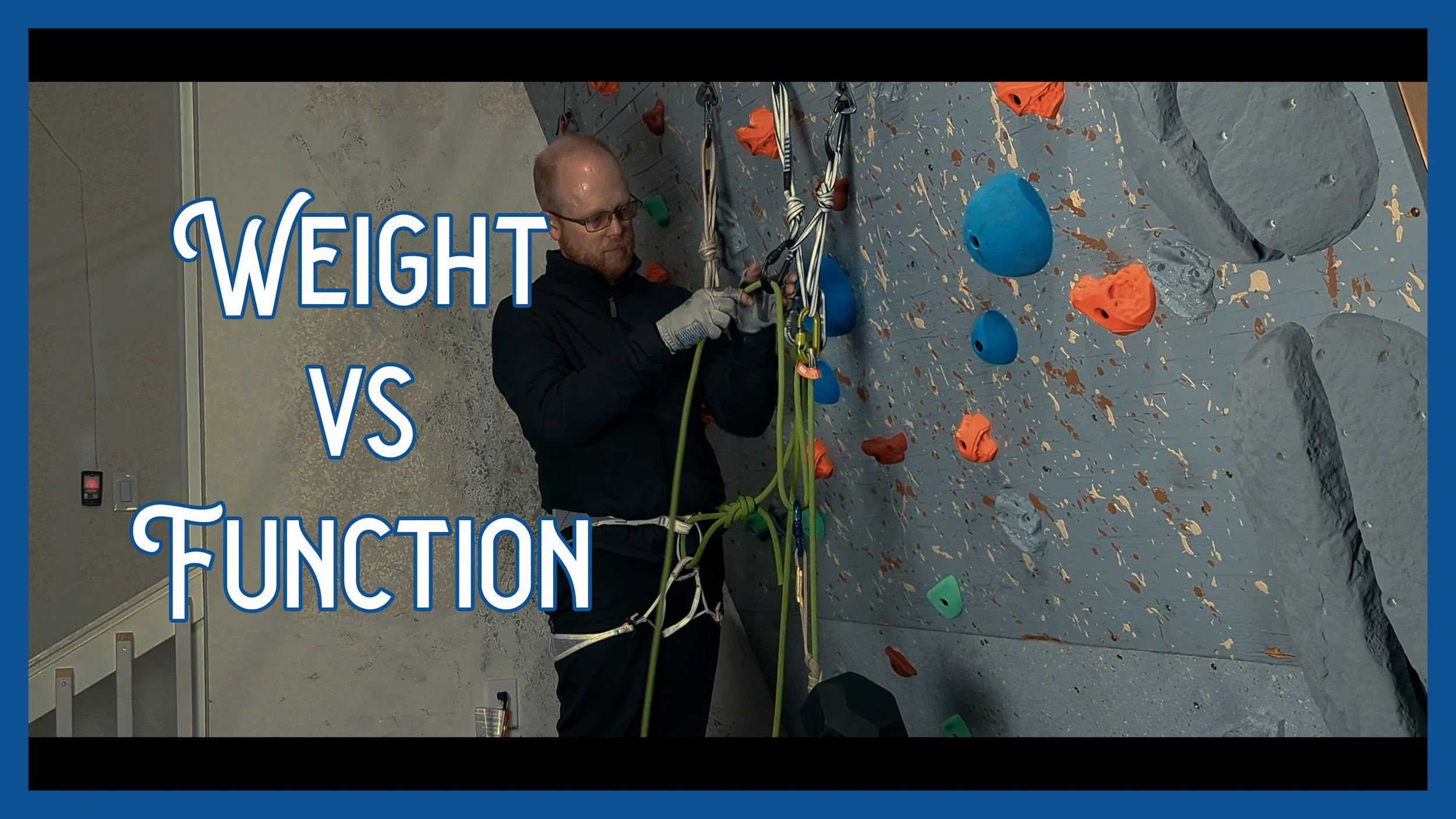
Tibloc for Crevasse Rescue? Master This Release Technique
I was asked if the very light weight Petzl Tibloc could be used as a rope capture for crevasse rescue systems? The answer is, 'yes,' but not without acknowledging that unweighting a Tibloc can be complicated. Here's a walkthrough of one procedure to transfer the load from a Tibloc and a discussion of how this may complicate crevasse rescue scenarios that need a lower.
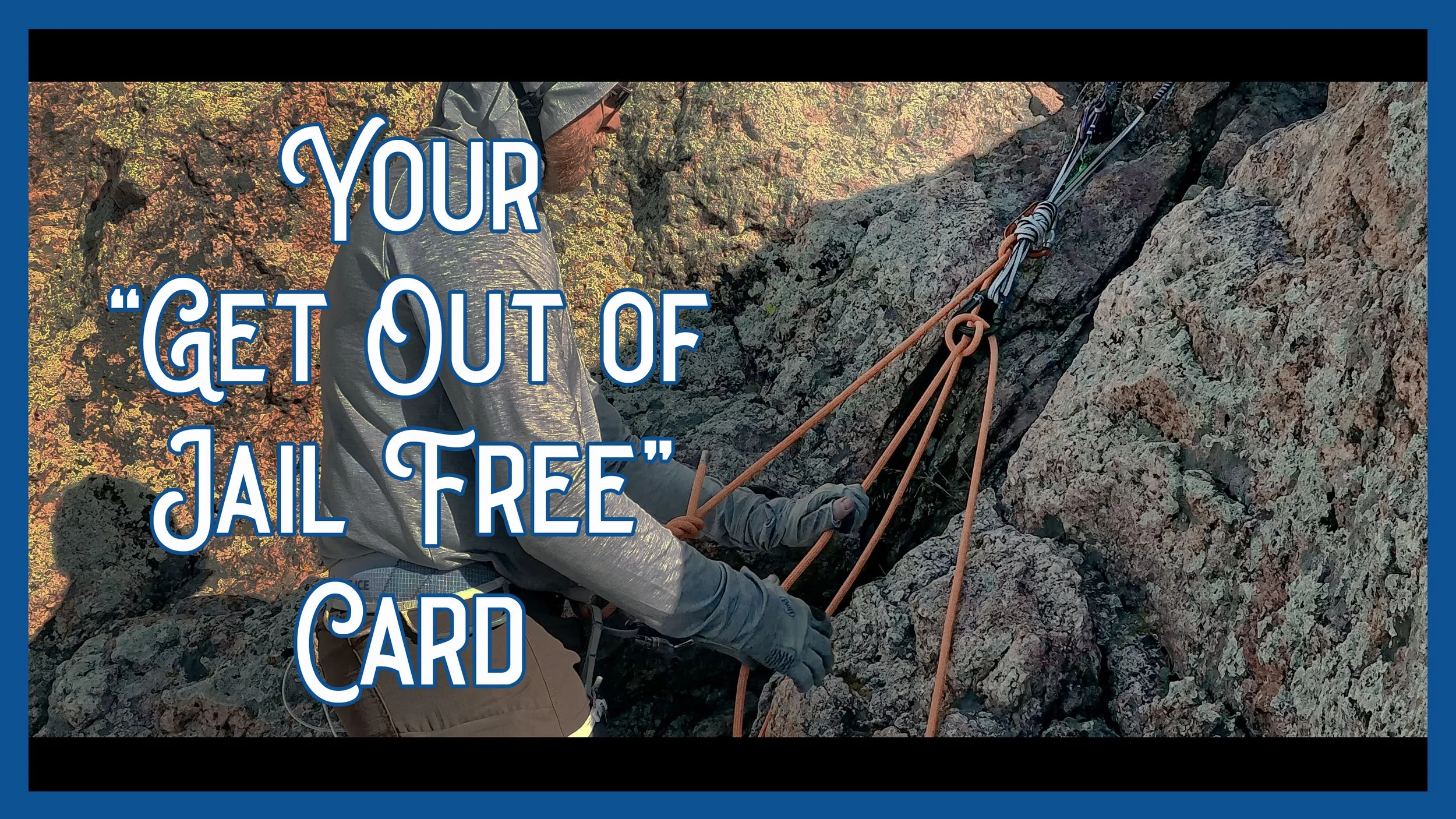
Münter Hitch Deep Dive - 5 Practical Applications Every Climber Needs
The Münter hitch can be very useful. While I typically am using more modern climbing equipment for various rappelling, belaying, and rescue techniques, I still have used just the rope, a carabiner, and the Münter from time to time and in lots of different ways. This video goes deep into the Münter by getting into different ways to tie it, different pros and cons of the hitch, and a full walk through and how-to for five types of use cases where the Münter could help us out of a jam.
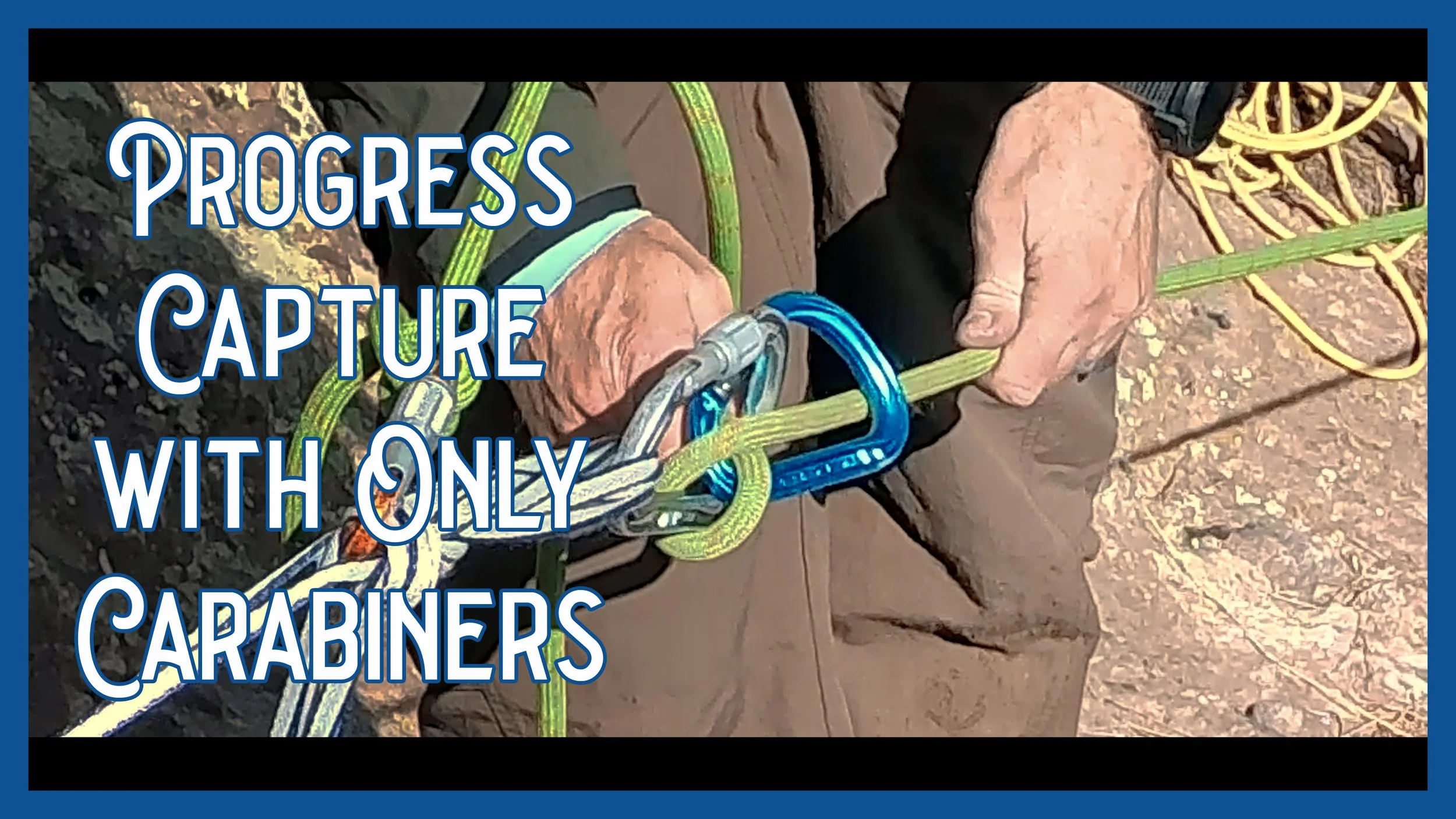
Lost Belay Device? TRY These Emergency Climbing Hacks!
Should we happen to have lost our belay device while still needing to climb, we may want to employ an auto-locking hitch to help with belays from the top or pack hauls or the like. The Garda, Lorenzi, and Auto-Locking Münter hitches are all options. Here is how to create them, how we might use them, and some pros and cons that come with each.
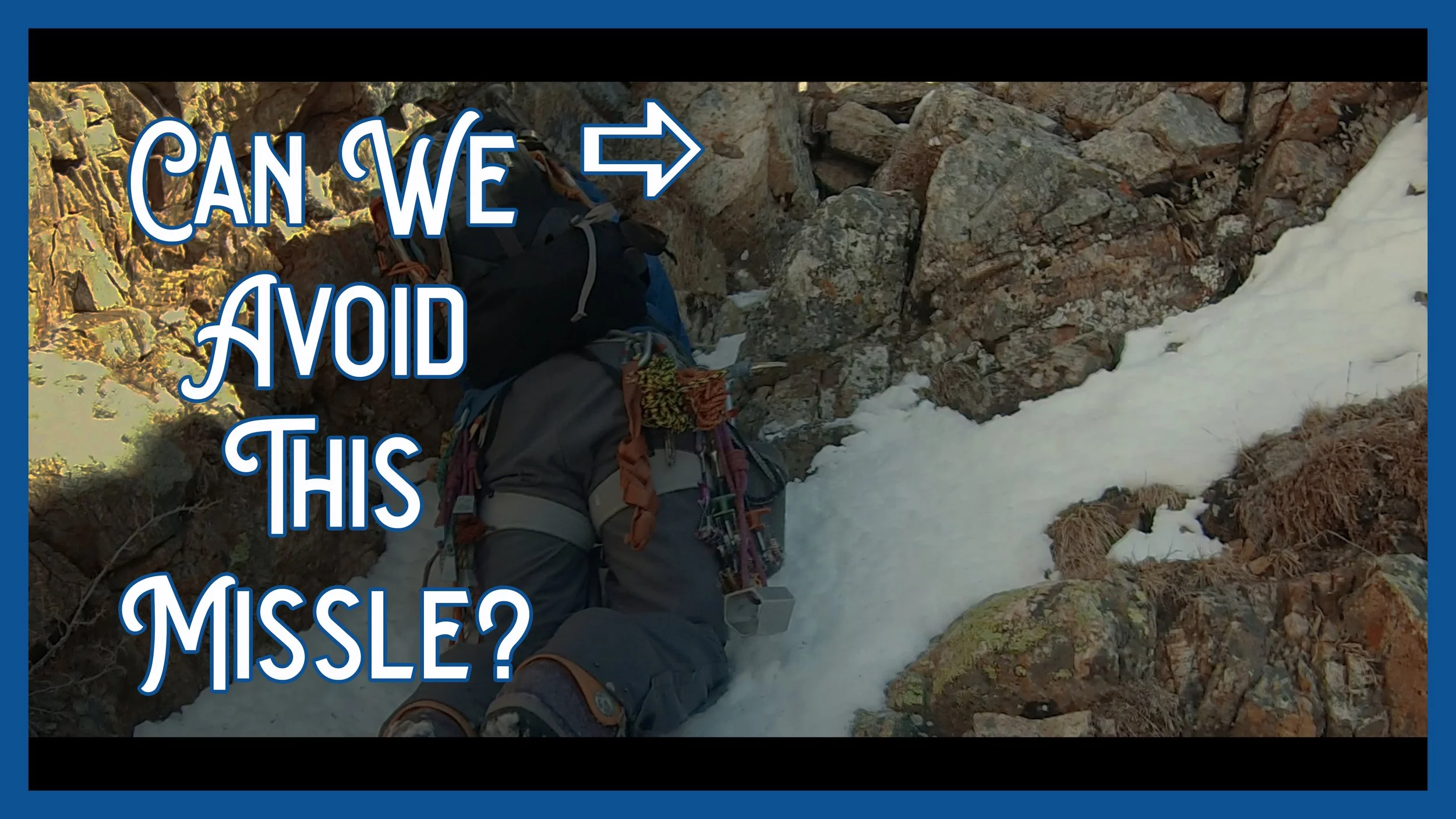
What You Need to Know to Avoid DEADLY Rockfall
If you go climbing in the alpine, and particularly in fully wild and maybe even unexplored areas, you are likely to be subjected to rockfall, and that rockfall can become fairly likely. So, how do we assess our terrain for rockfall risk, and then how do we mitigate that risk to keep our likelihood of getting hit by a rock low enough to feel acceptable?
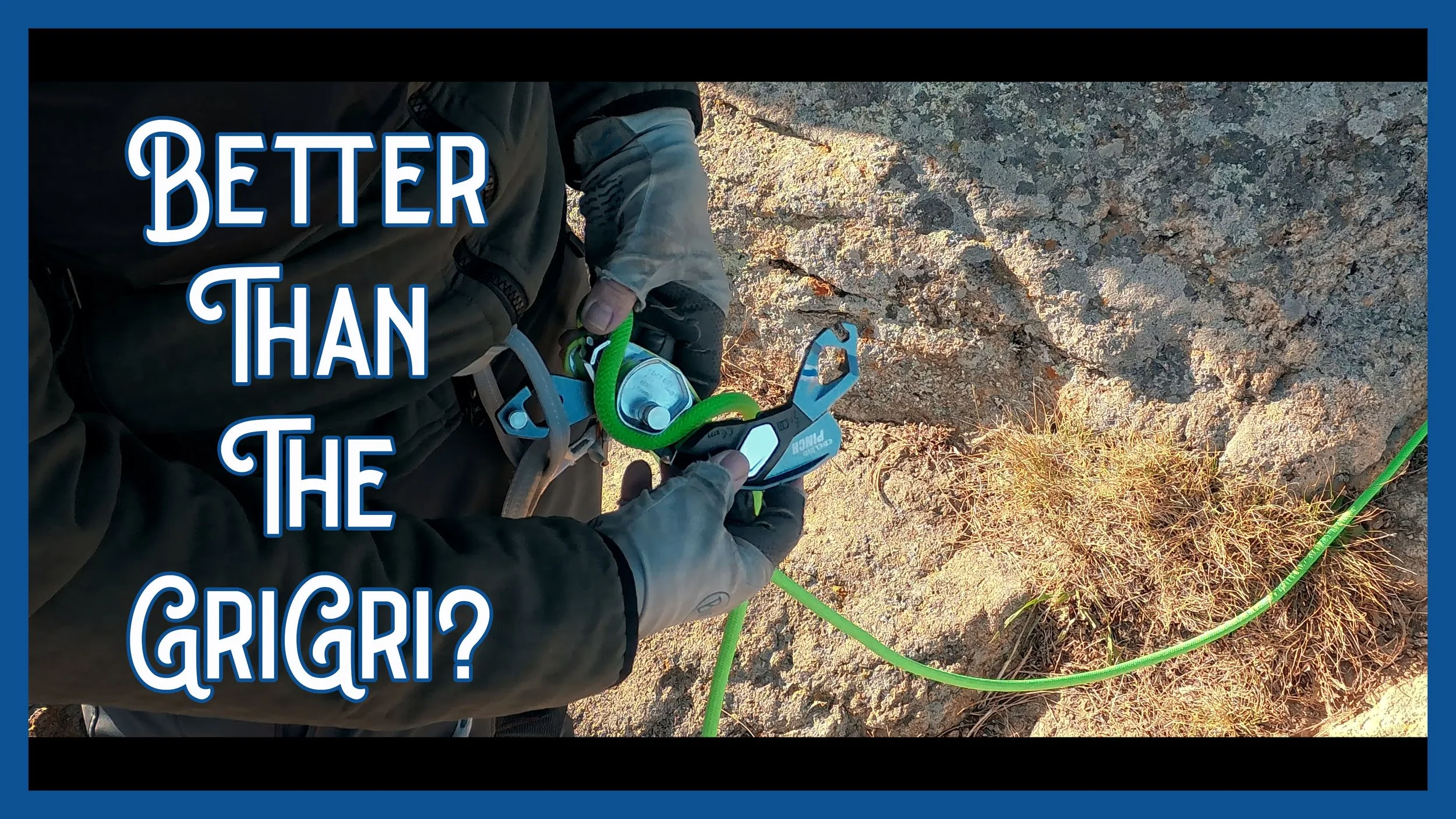
Two Break Assisting Belay Devices Enter, One Will Leave!
I have been using the Edelrid Pinch break assisting belay device long enough now to have some perspective on the specifications and features that truly distinguish it from the Petzl Grigri. This video goes more deeply into a comparison. I have come to reach for the Pinch, first, in certain applications, but not for all of my climbing. Here's why.
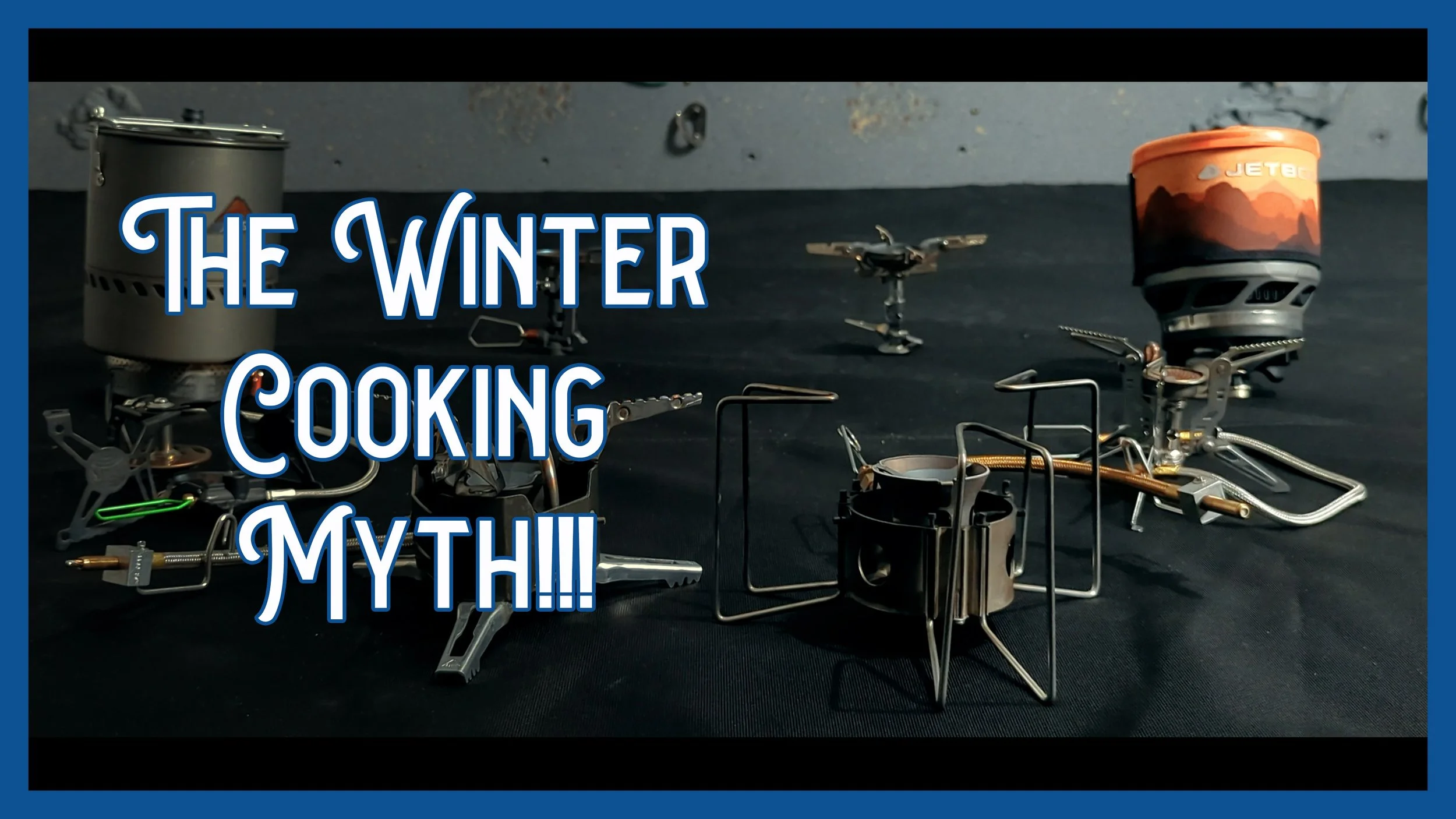
Winter Stove Test Results Will Surprise You!
I hear that canister stoves don't work in the cold a lot. But I've also used canister stoves in the cold a lot, and so have many other climbing teams who head to the coldest corners of the globe. However, it could be that there are times that canister stoves make more sense and times liquid-fuel stoves are a better option. This test of eight different stoves sheds some light on how the knocks on canister stoves are overstated as well as circumstances where liquid-fuel stoves might make a better choice.
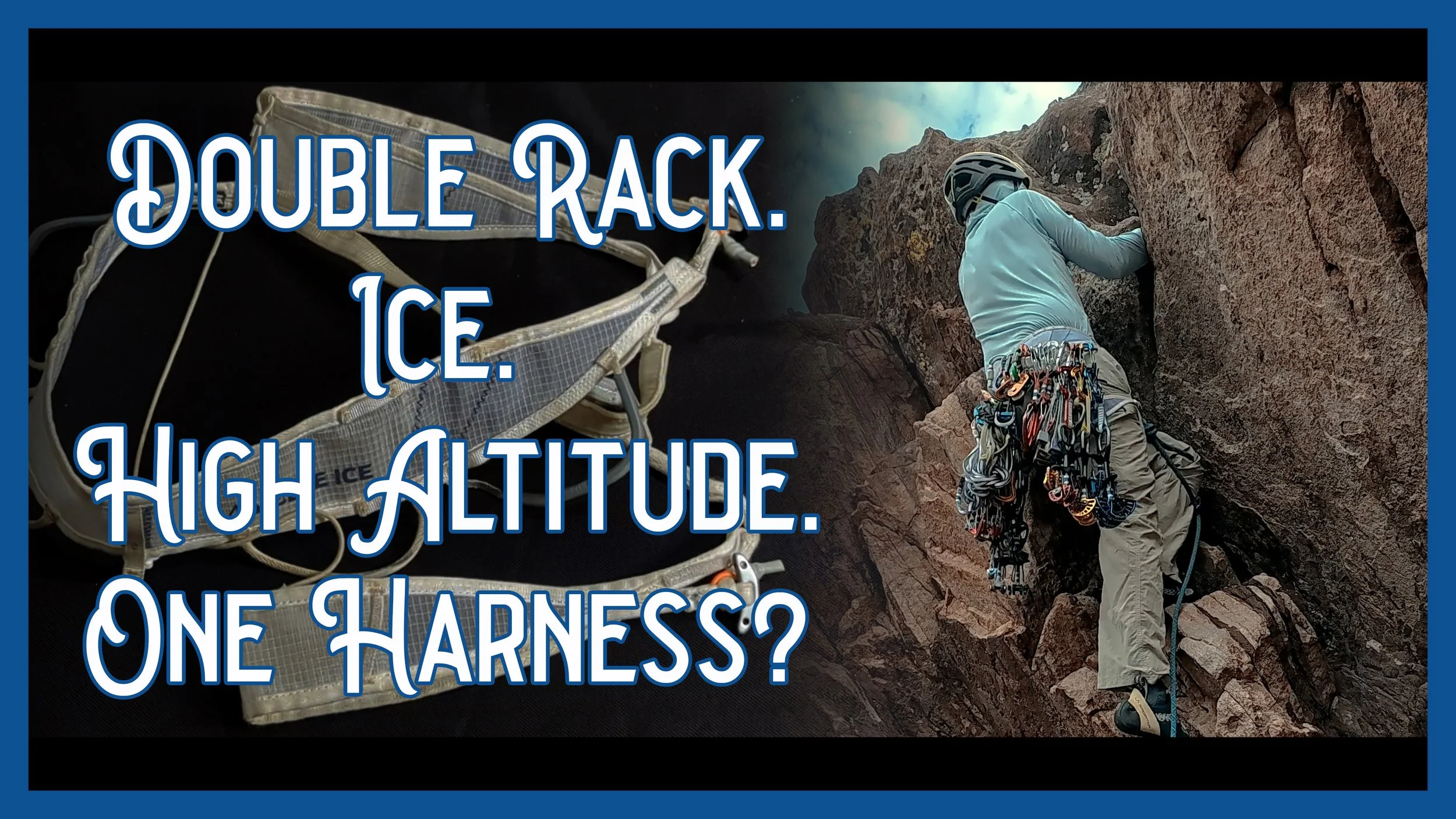
Blue Ice Choucas Pro vs Older Model, Which is Better for Climbers?
Blue Ice took a really good harness and redesigned and rebuilt it, anyways. Is the new version of the Choucas Pro harness enough of an improvement over the older version to earn a place in your gear closet?
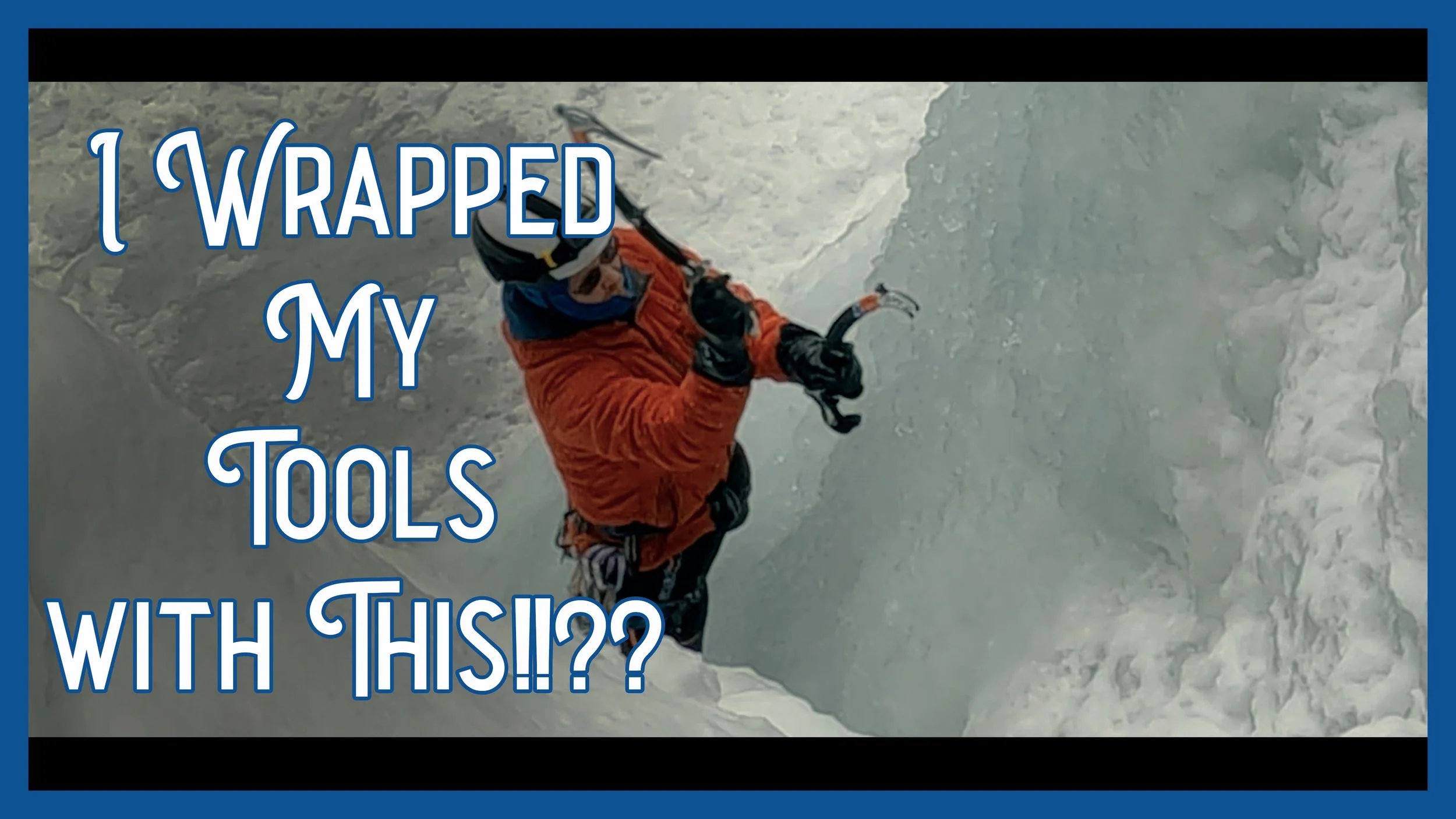
I Tested 3M Gripping Material For 2 Years And Here’s What I Found!
Two years ago, I did a video about the potential I saw in 3M Gripping Material as a wrap for ice tools. Two years later, now, I have found one version of the material to be not good enough and another version to be pretty good, but at a cost.
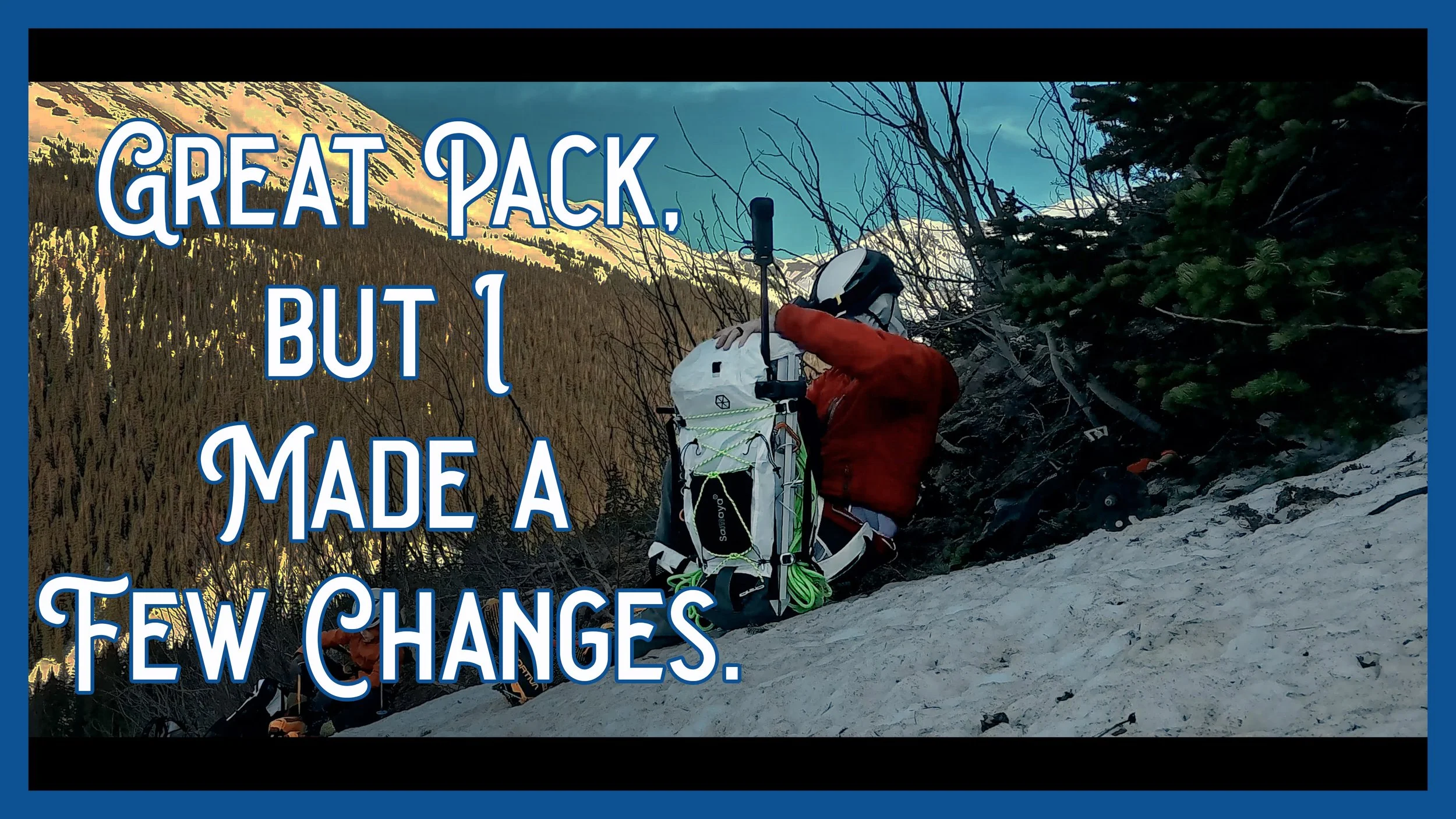
Is This Backpack Really Worth It?
After one year of use and one big expedition in Asia, I've learned enough about the Samaya Ultra 60 pack. Here's what I've found to be the pros and cons along with a few modifications I've made to my pack.

How I Trained to Climb Over 15,000 Feet!
Climbing at three miles (4800 meters) above sea level can be a challenge for out body's physiology. Having access to almost as high of peaks in Colorado, here is how I spent the final month before my trip to that three-mile altitude to ensure I showed up pre-acclimatized to the altitude along with a discussion about why intermittent trips up to altitude can still help acclimatization.

Protecting Against the Secret Danger of a High Altitude Climb
High altitude peaks bring many hazards, from rock fall to avalanches to seracs to crevasses, and many people would count weather among those. But when we think about weather, we are often concerned about storms and cold. Well, the cloudless days with perfect weather bring UV rays and sun damage that are way more significant than we experience at the altitudes at which we live.

I Tested the Flextail Zero Pump and was Surprised!
Flextail makes the Zero Pump and claims it to be the lightest self-contained pump for both inflating and vacuum deflating your backcountry sleeping mattress. I purchased my own and tested it out over multiple seasons. Here's a full review of the pump and my take on circumstances when carrying this into the wild makes sense for me.

Can Your Climbing Trip Plan Save Your Life?
A trip plan can keep you and your climbing partners on the same page but also can help your loved ones deal with any emergencies that might arise. So, what can we put in our trip plans to ensure we meet these needs?

Should You Link Climbing Pitches Together?
I've linked many a short set of climbing pitches into a longer pitch. But I don't always do it. The idea that having to only set up one belay and therefore one belay transition will speed up our climbing doesn't account for a host or reasons why speed might not be the ultimate consideration. Here are some things I consider before I decide to link two pitches together.

Getting Ready for a Big Climbing Adventure? Don't Skip This Training!
When getting ready for a big climb, we work on cardio fitness, we work on strength, we work on technique. But, if the climbing is really pushing our comfort zone, are we going to be able to get into and out of our systems when we are exhausted and stressed? Does practicing systems play a role in training? New climbers and those going on expedition often will, but is there room for say-to-day upkeep of critical system skills?

Don't Risk Your Life Using BAD Tree Anchors or Poorly Slung Rocks!
Monolithic climbing anchors - anchors built from a single, unquestionably strong tree or rock - can be simple and timely while also being incredibly safe. But making them safe means we need to evaluate our chosen terrain feature well and understand a few nuances that can come with our rope, sling, or cordelette configurations.
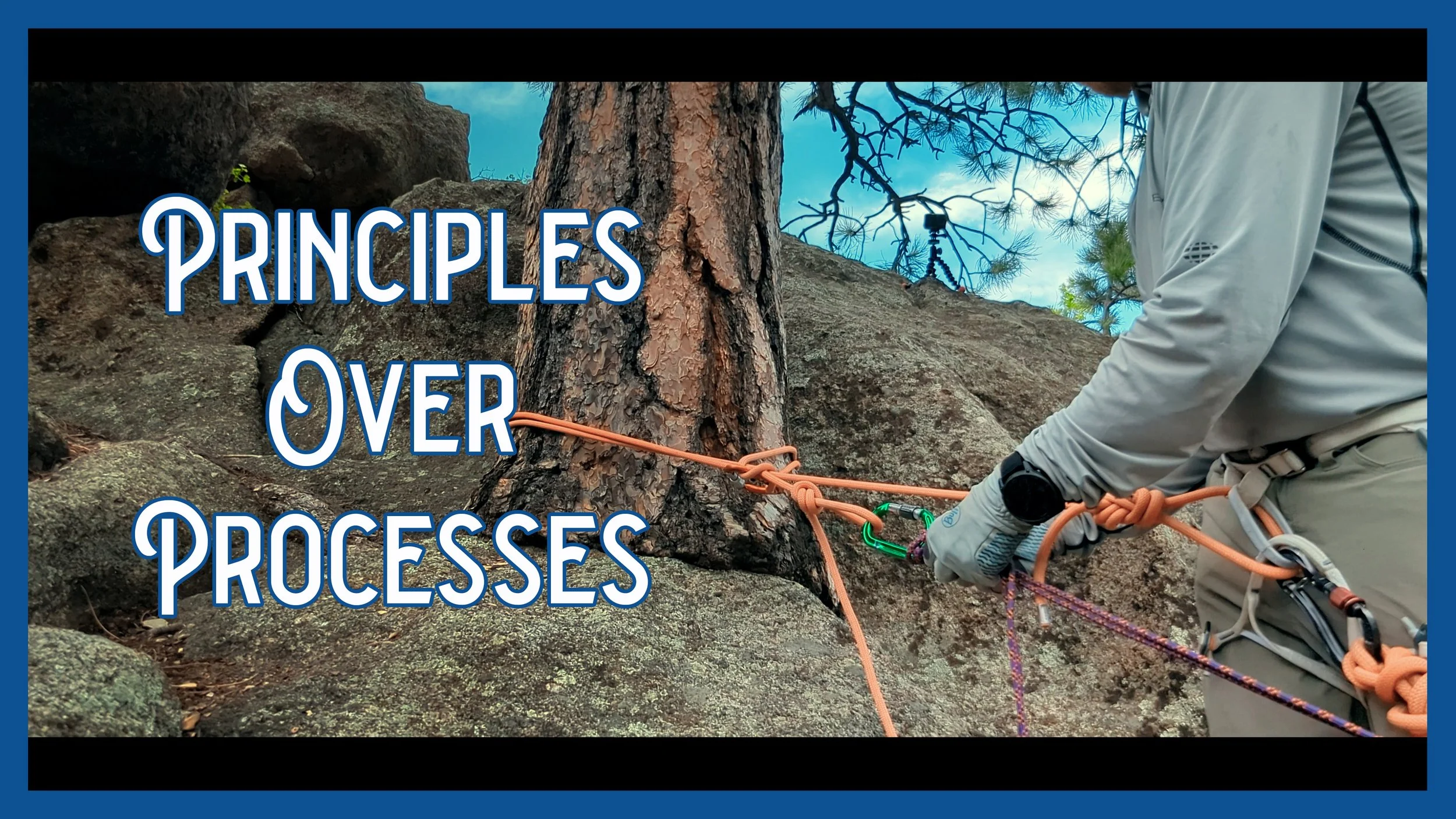
3 Ways to Escape a Climbing Belay on Moderate Terrain
When moving quickly through moderate terrain, we might be using the rope but not be using standard climbing anchors. When we aren't pitching it out, we can still have a climbing fall that might require us to escape the belay in order to hold our partner in place while we render aid. How can we do that when we are using terrain or body belays? Well, the principles of any belay escape still apply.